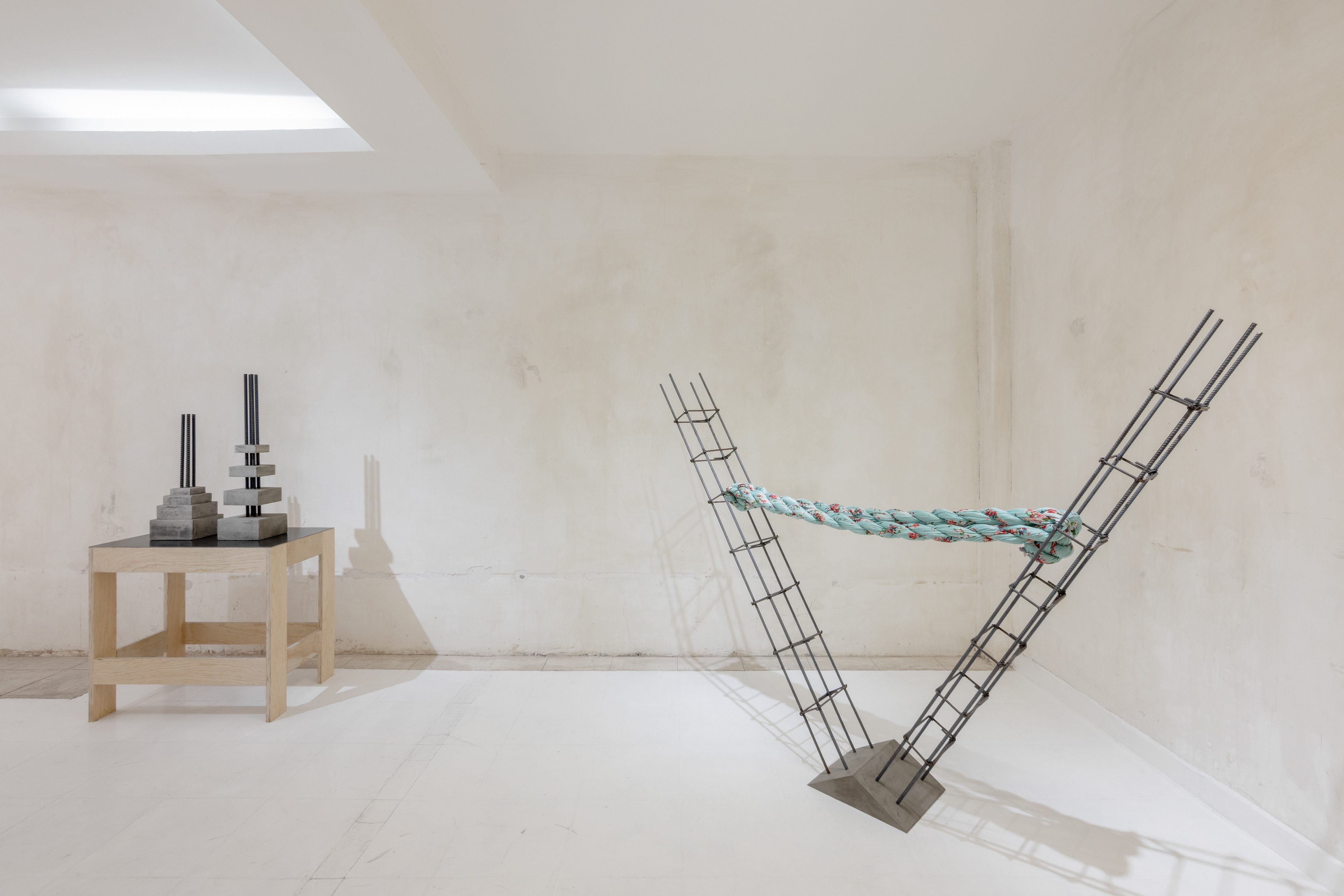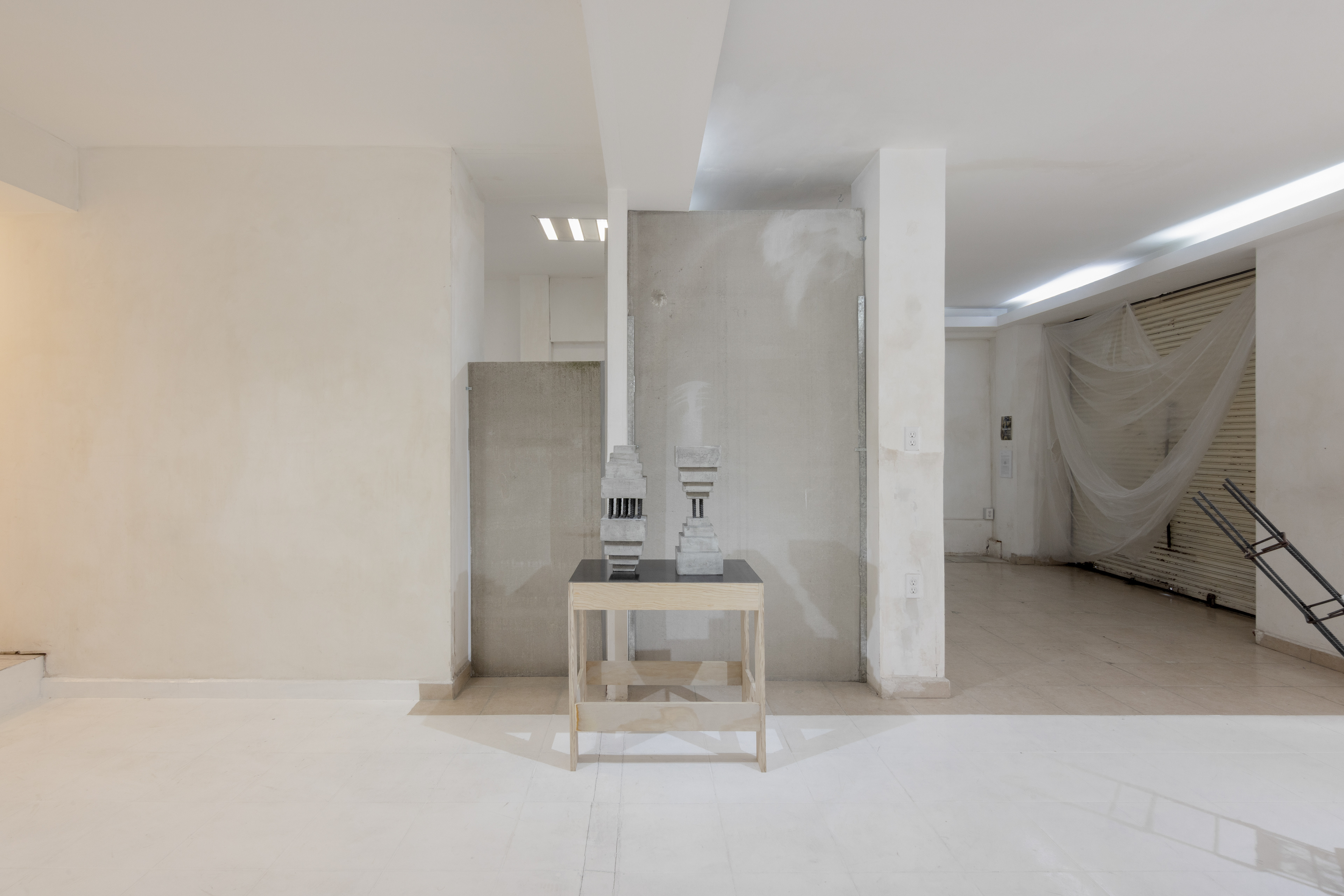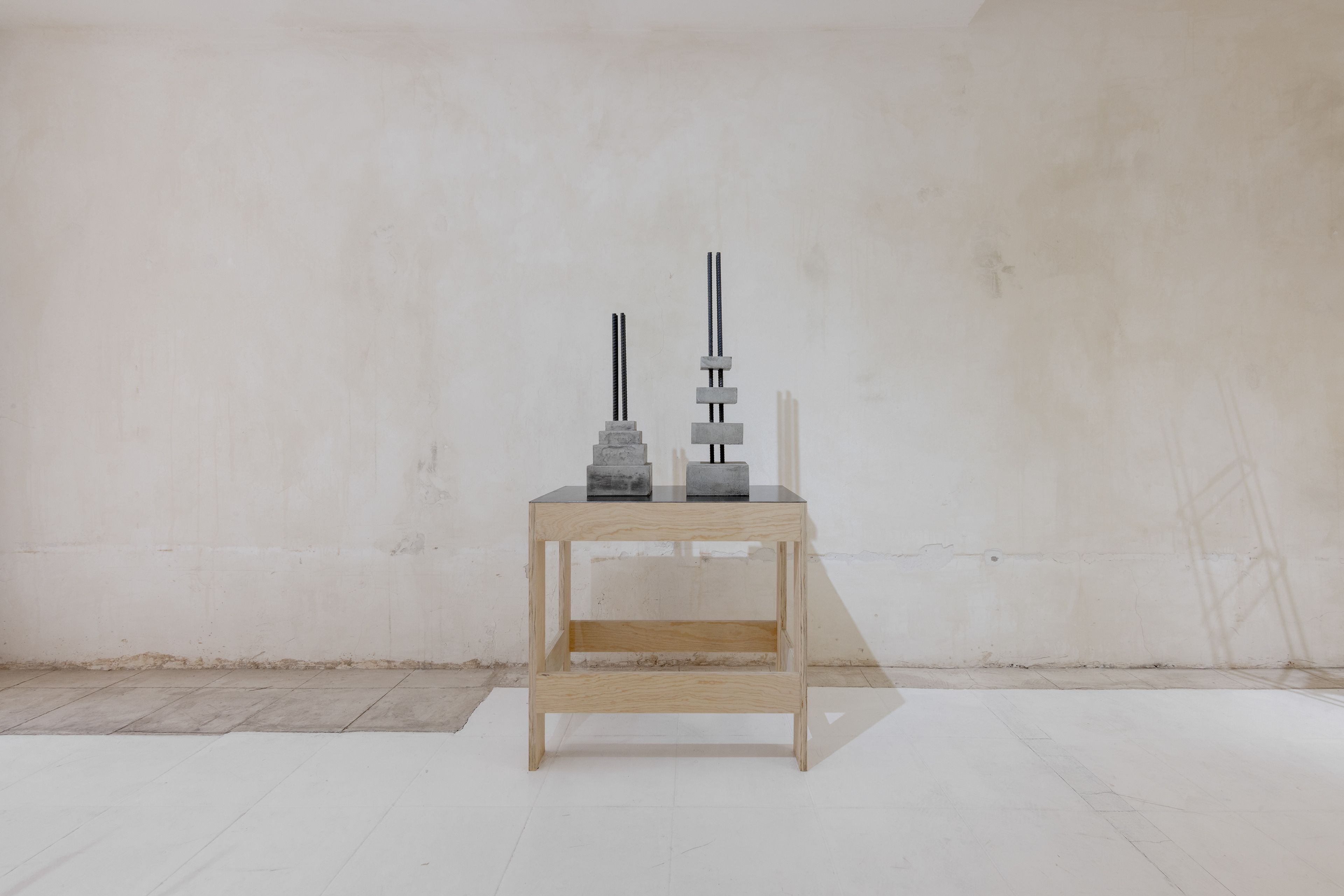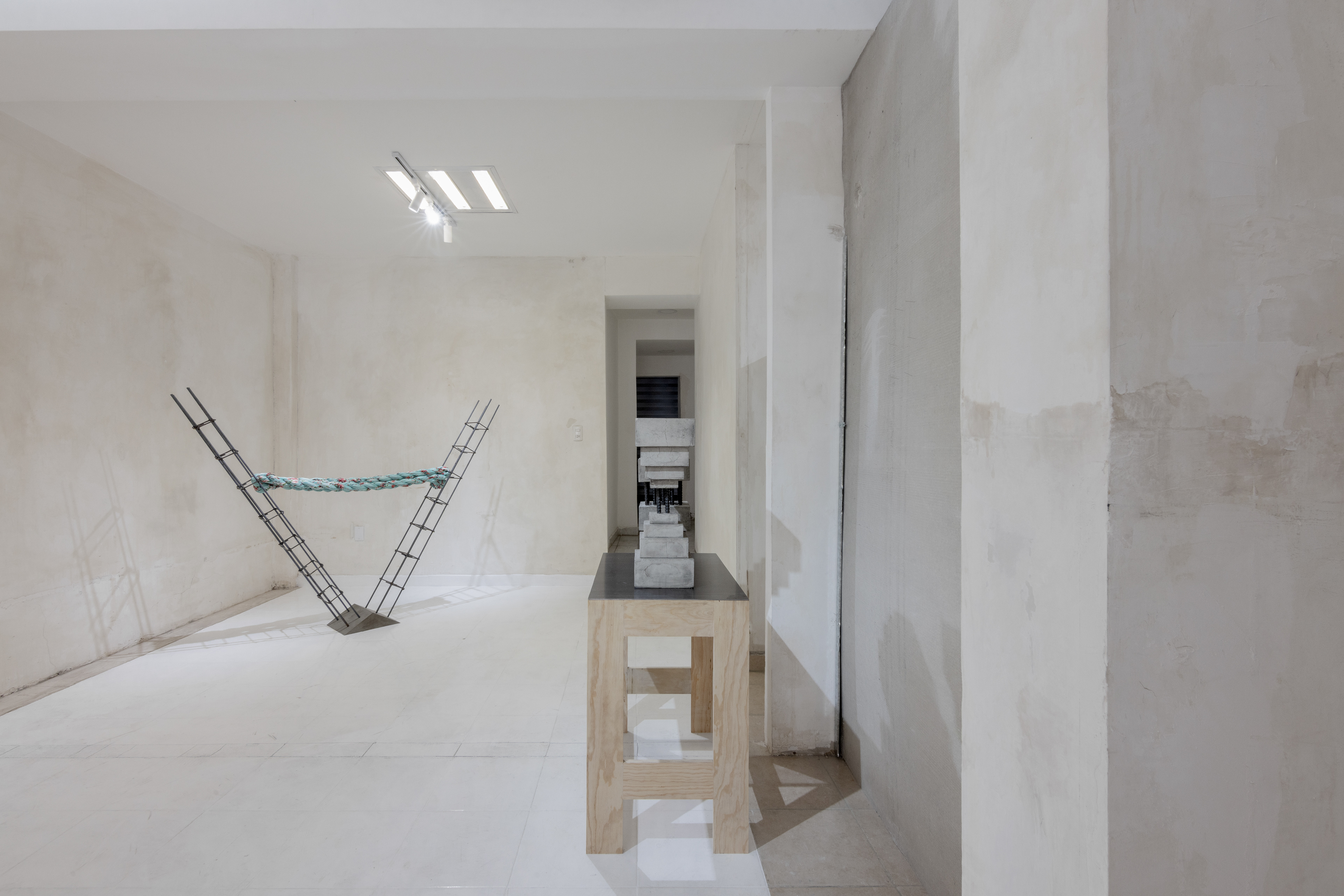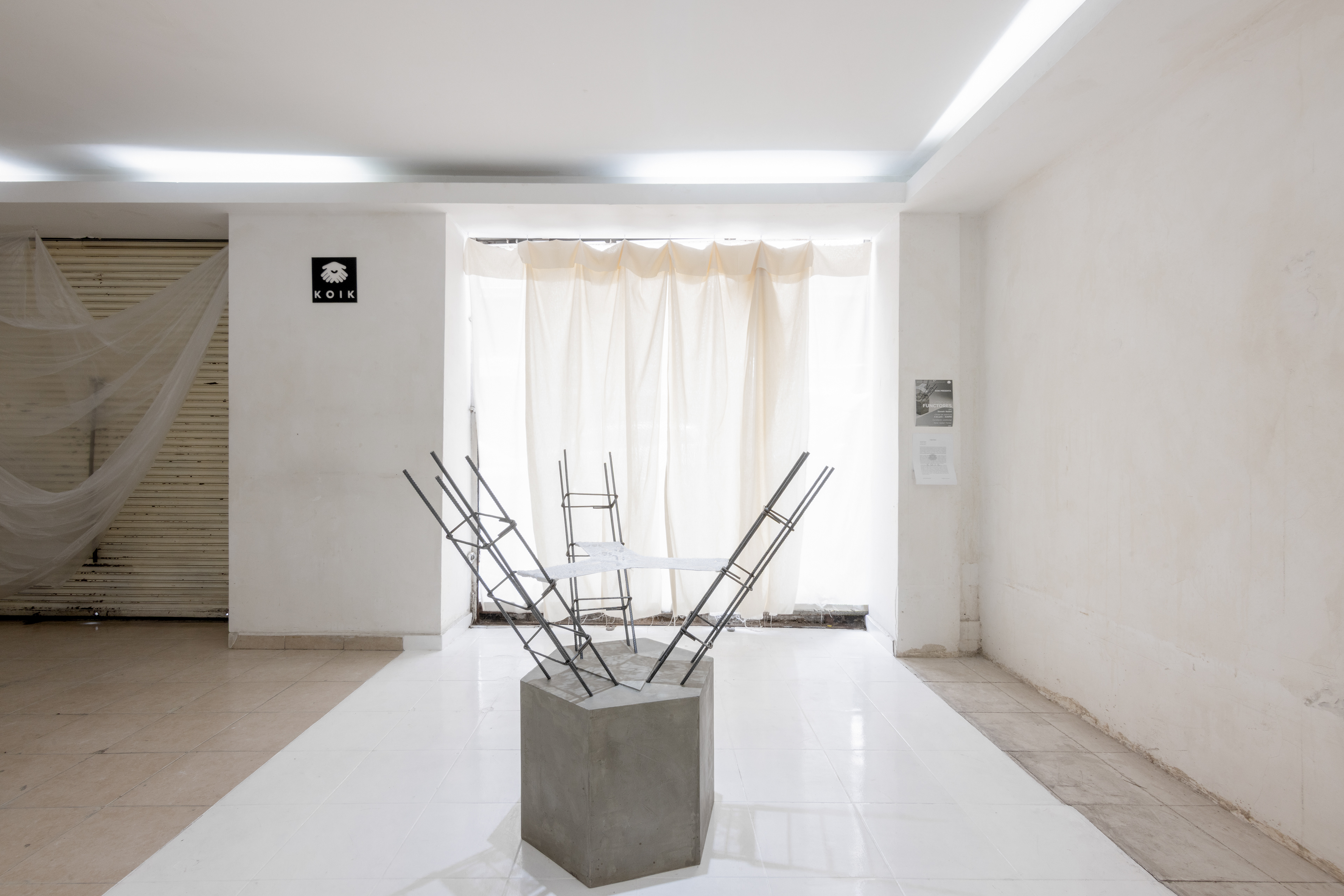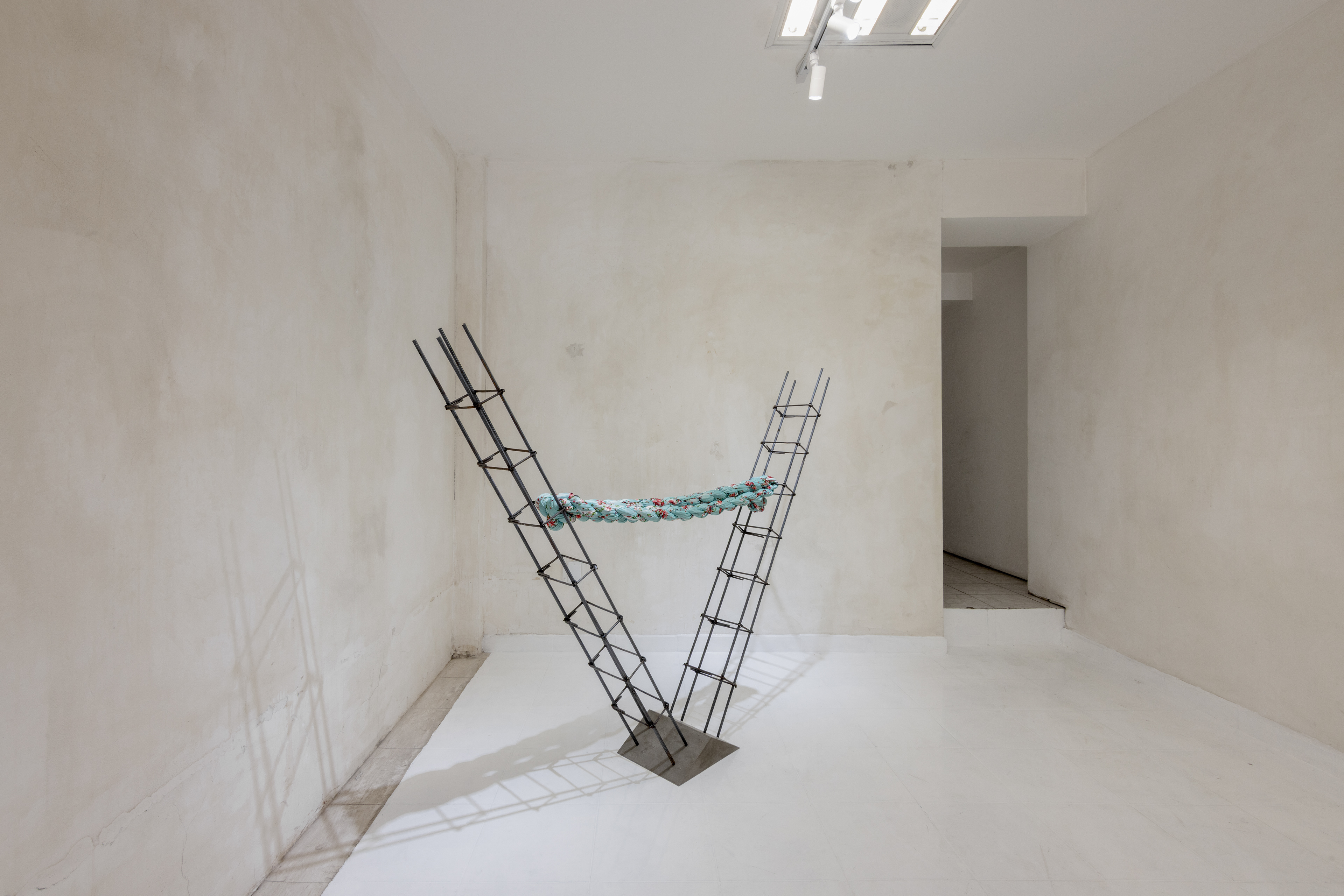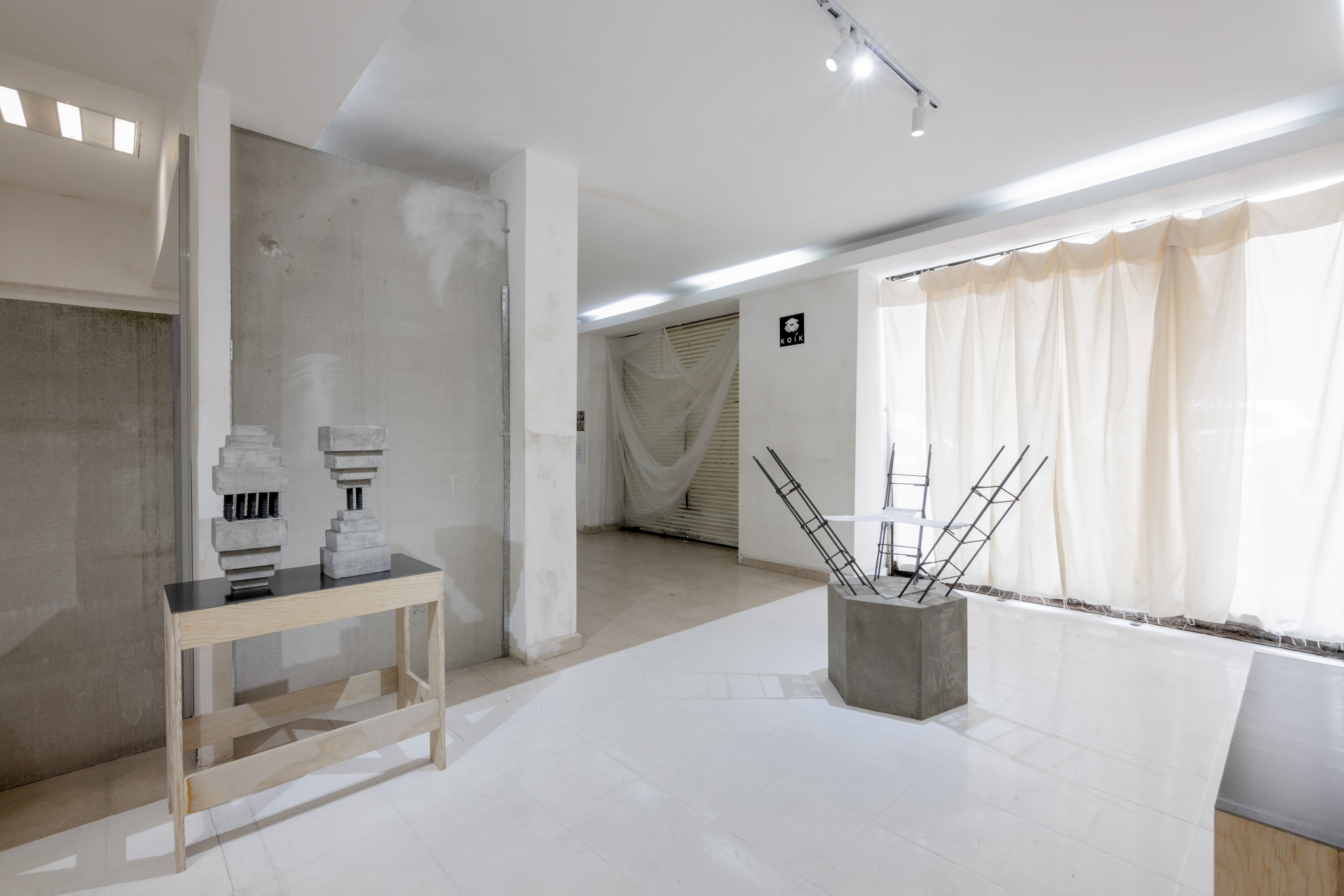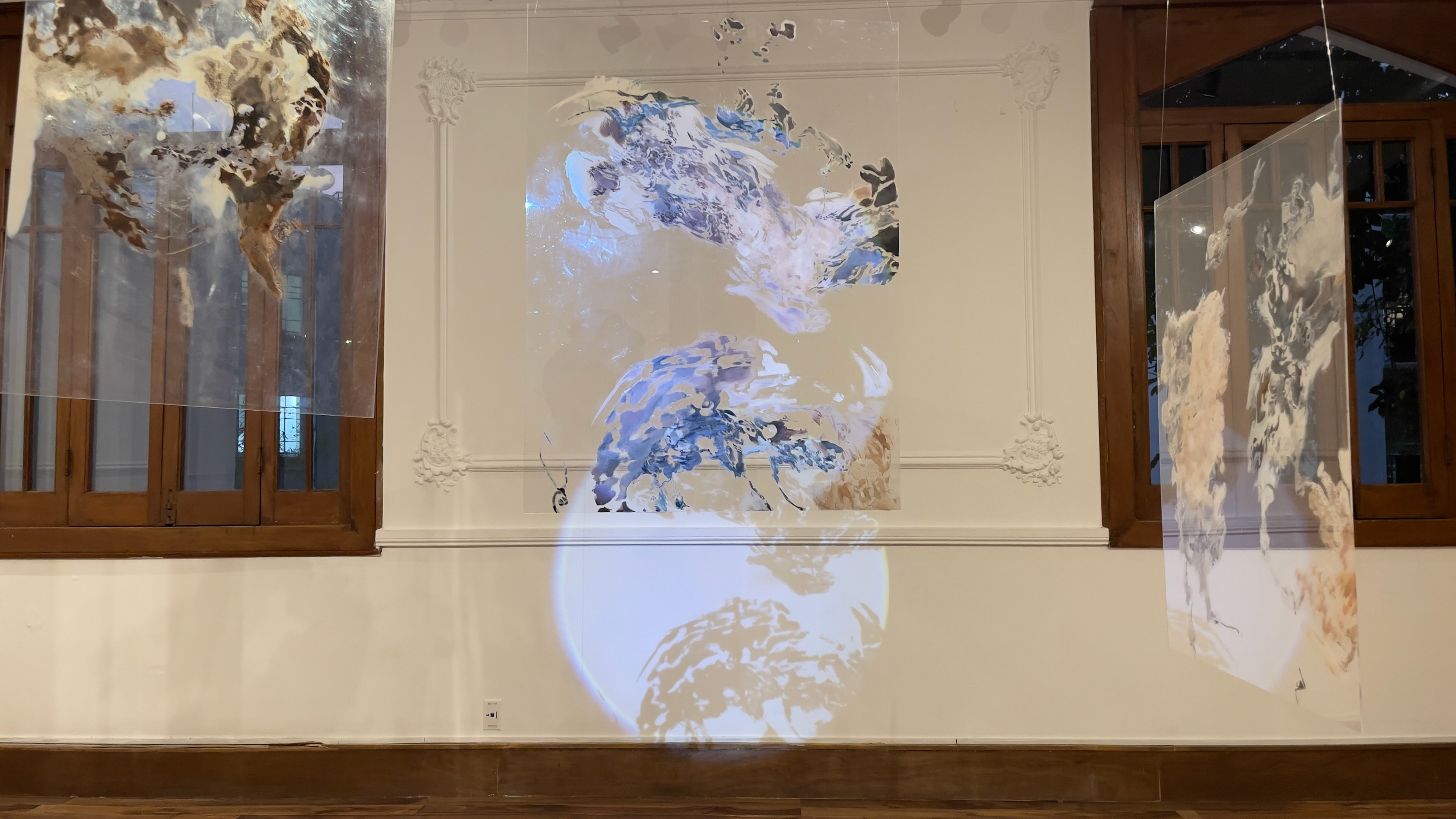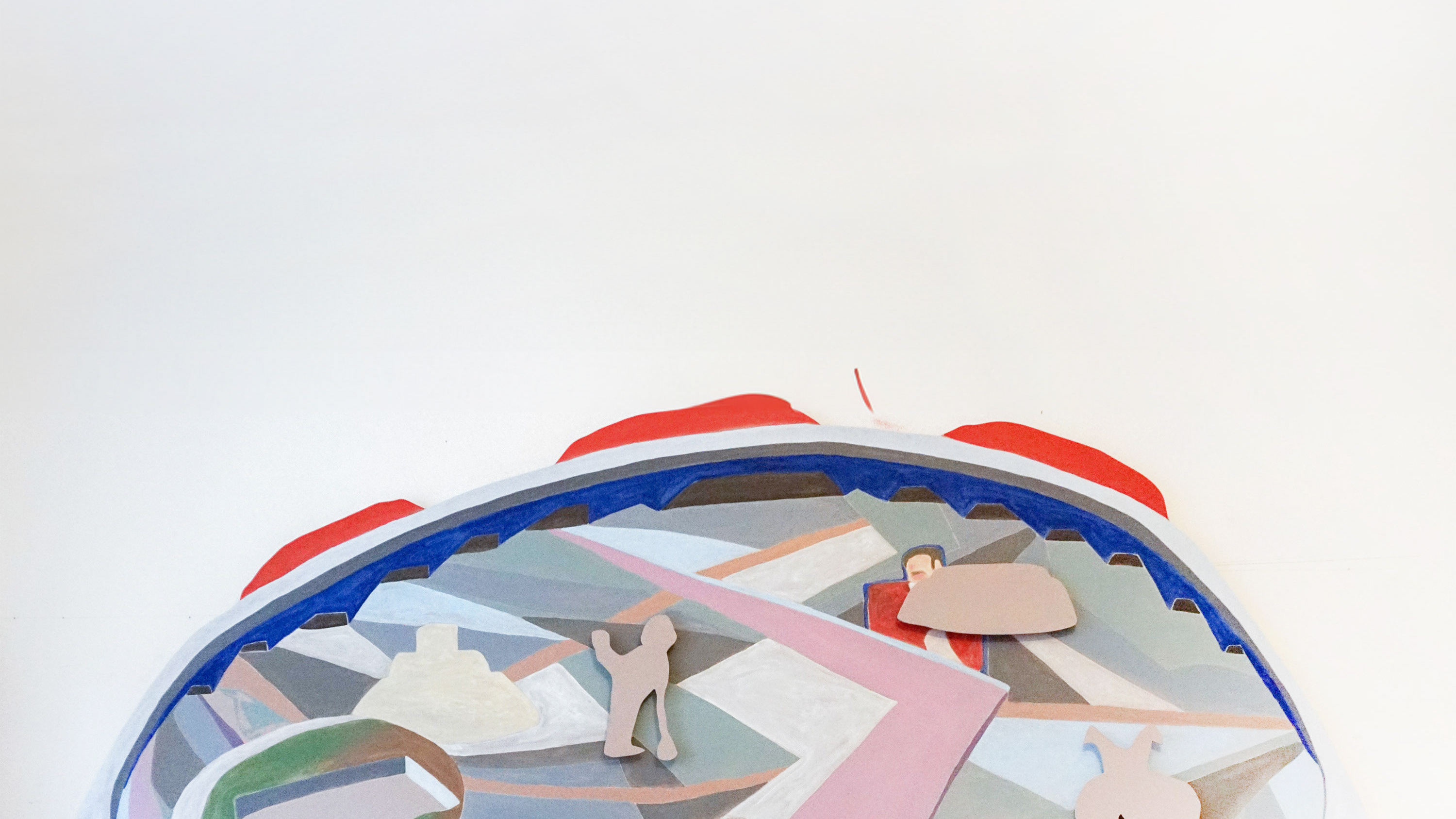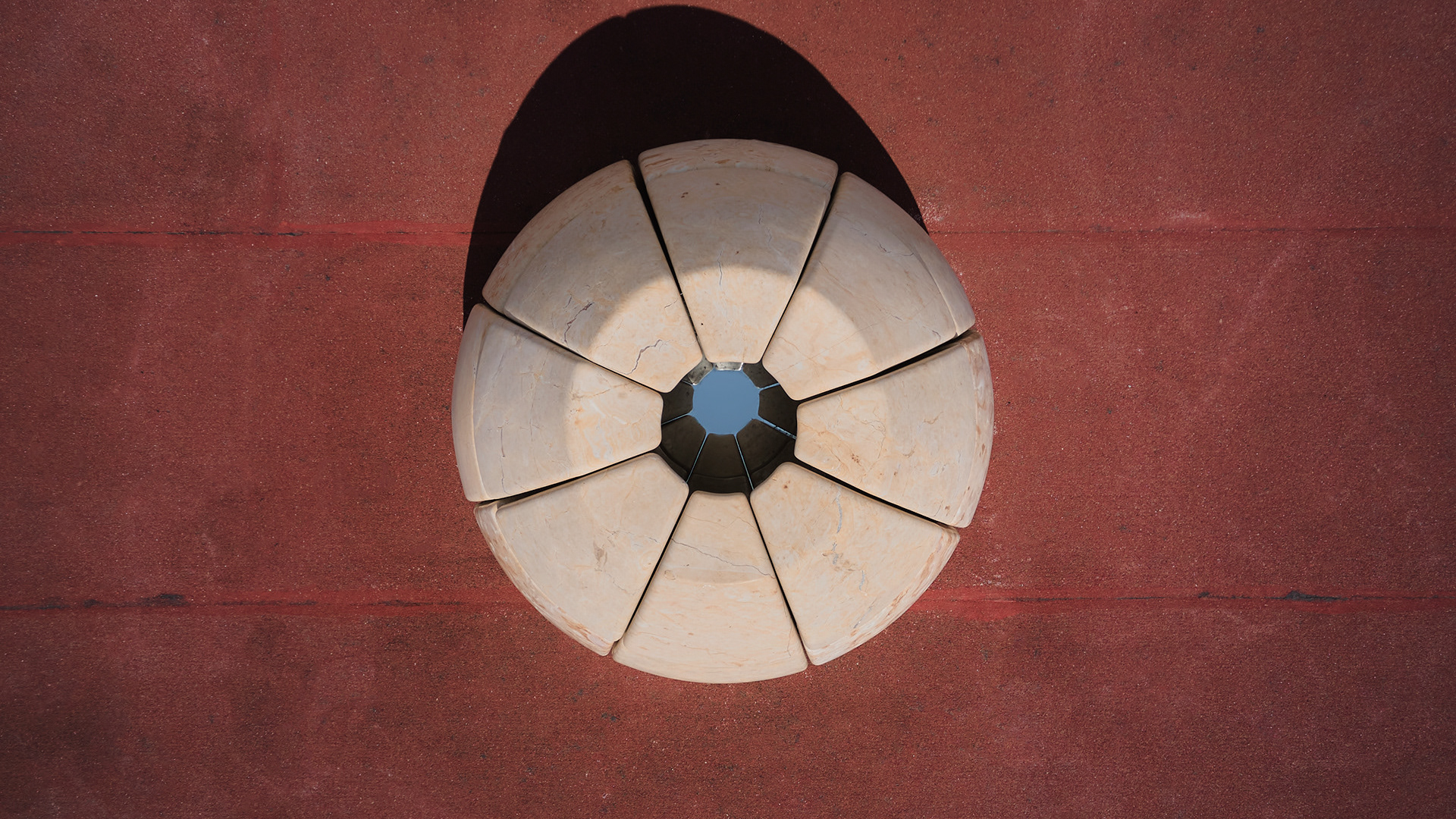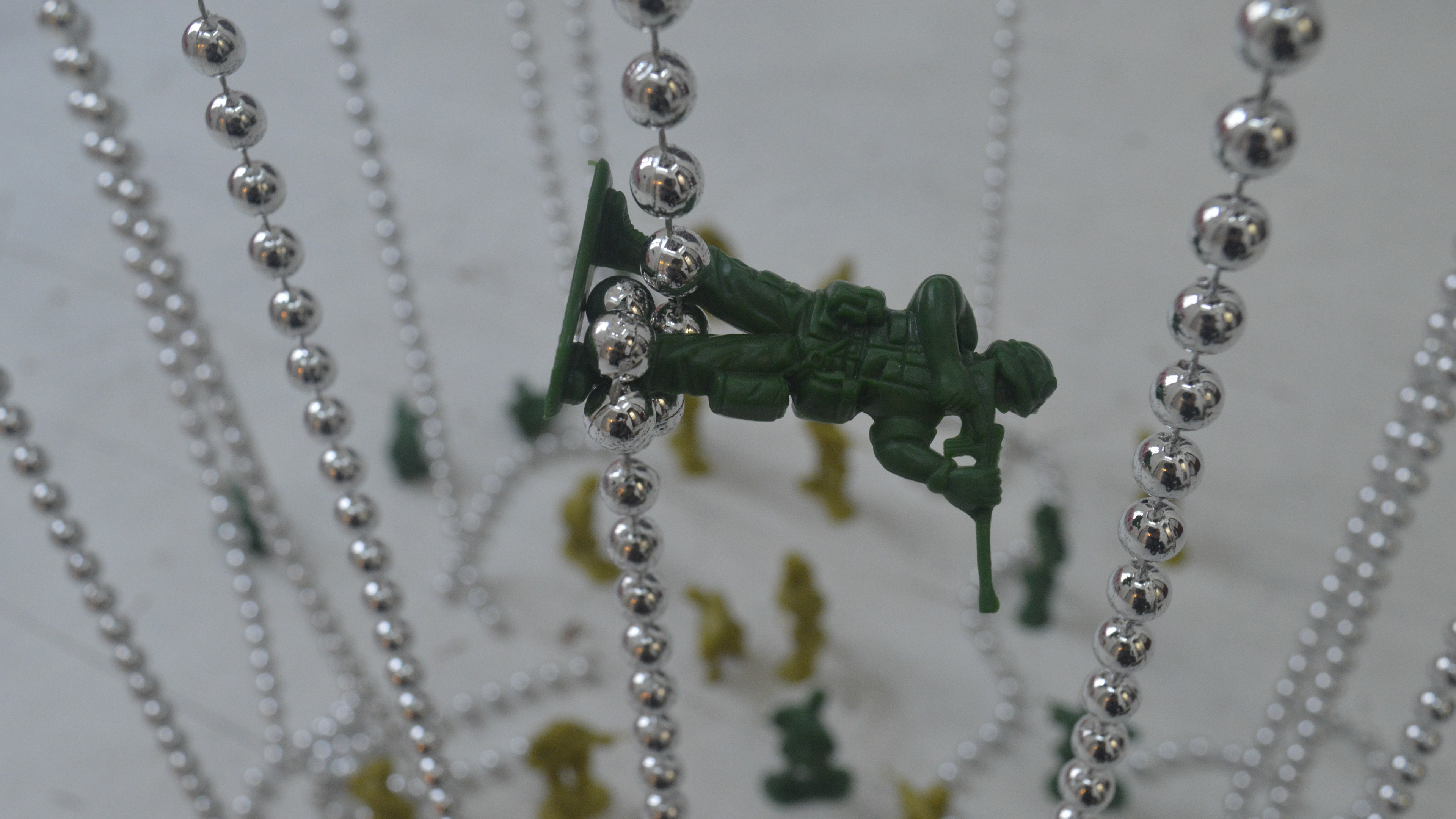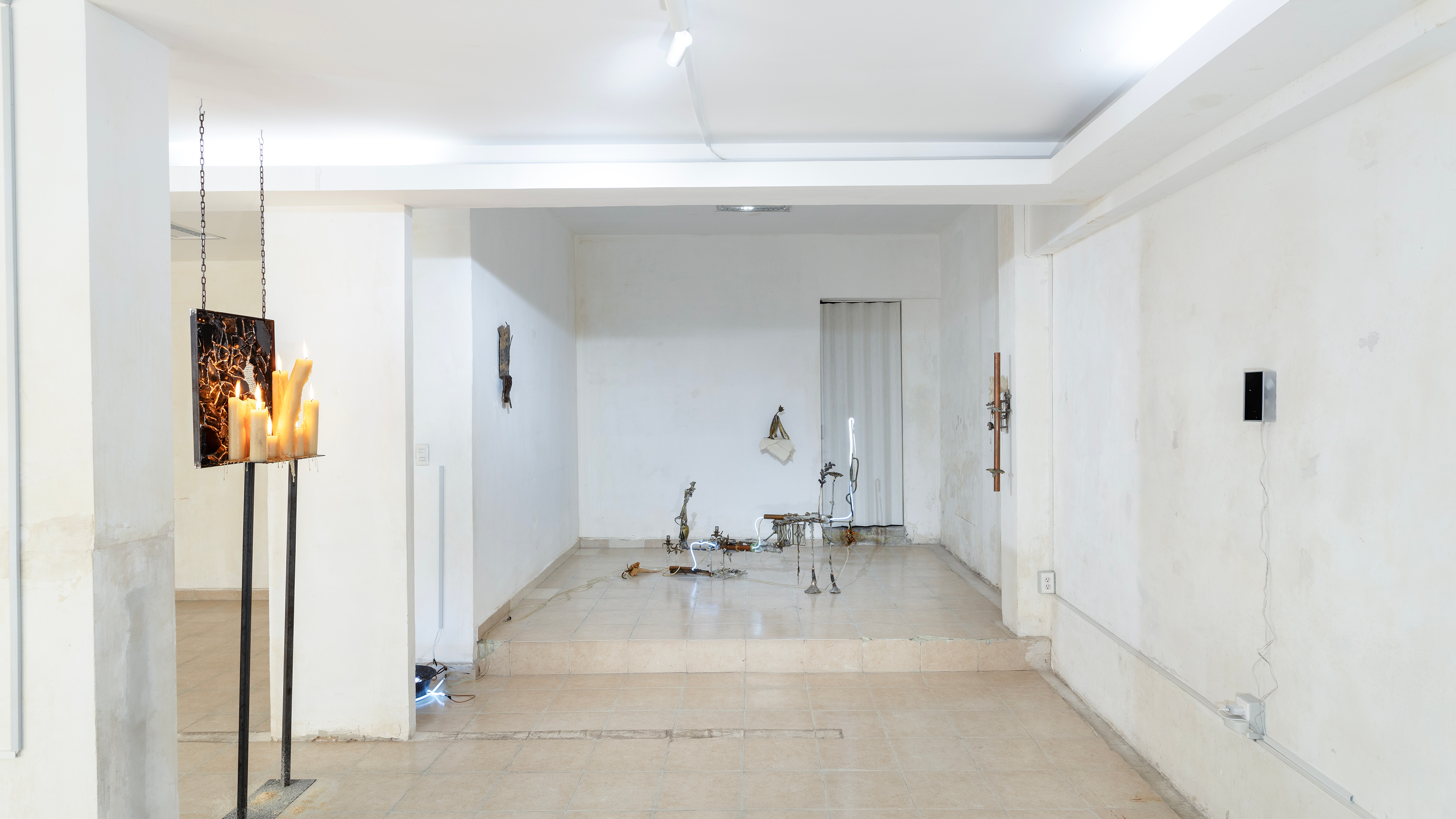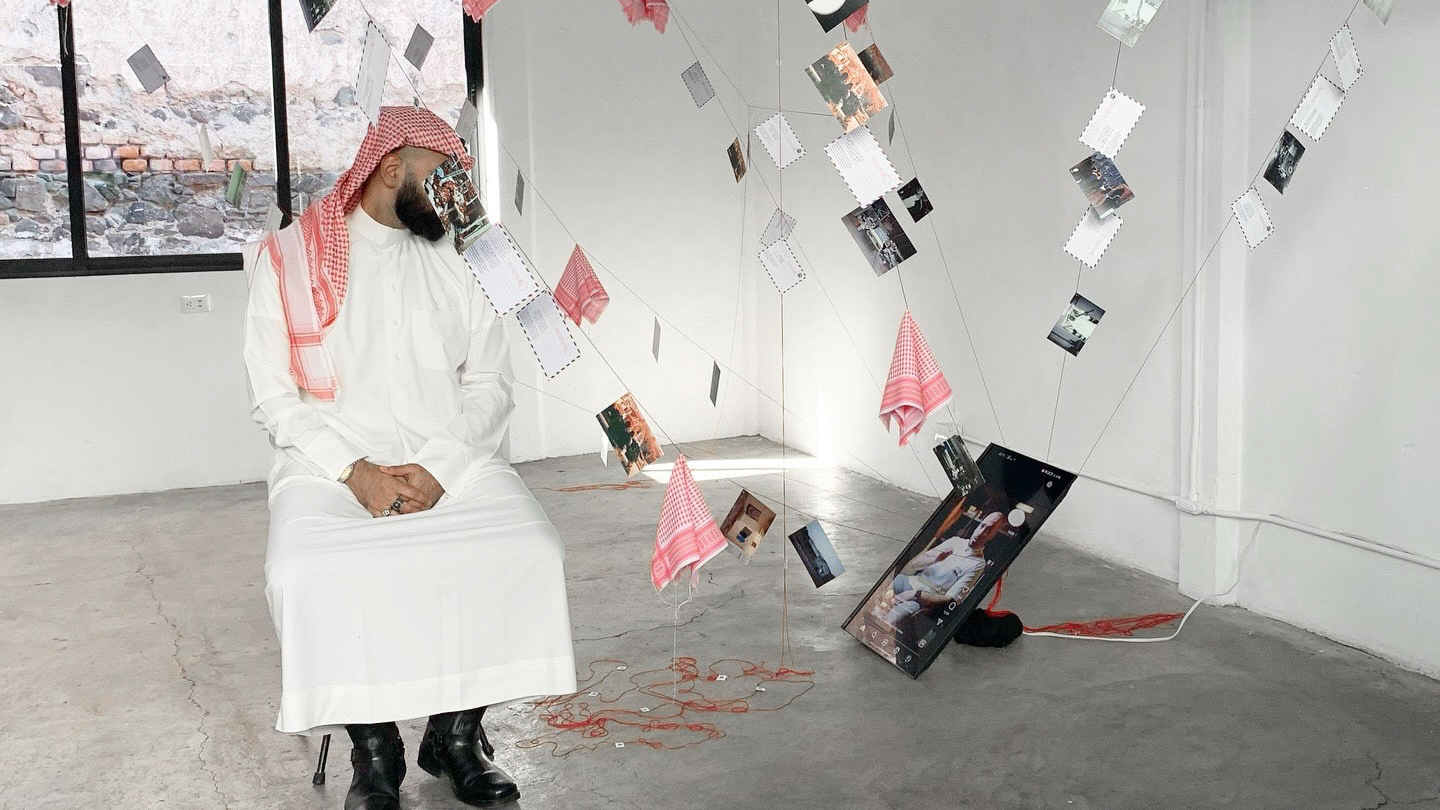
Varilla, cemento, encaje, textiles trenzados y formas apiladas aparecen como materiales familiares; sin embargo, cada obra reorganiza las condiciones que normalmente les brindan soporte. La estabilidad emerge a través de la tensión, la inversión, la dependencia y las relaciones reconfiguradas entre los objetos.

Tomando su título de la teoría de categorías, FUNCTORS explora cómo las estructuras pueden desplazarse de un orden de estabilidad a otro sin perder su integridad.

Inauguración
3 de julio de 2026 · 6:00 PM

KOIK Contemporary
Revillagigedo 78, Col. Centro
Ciudad de México

Entrada libre

———————-

FUNCTORS

Rebar, cement, lace, braided fabric, and stacked forms appear as familiar materials, yet each work rearranges the conditions that ordinarily supports them. Stability emerges through tension, reversal, dependence, and reconfigured relationships between objects.

Borrowing its title from category theory, Functors explores how structures can move from one order of stability to another while remaining whole.

Opening Reception
July 3, 2026 · 6:00 PM

KOIK Contemporary
Revillagigedo 78, Col. Centro
Mexico City

Entrada libre
Siavash Naderi

Curaduría: Lesdavag
Texto: Isabel Farías
FUNCTORES
El término "functor" nombra un pasaje relacional. En la teoría de categorías, un functor asigna sistemas estructurados preservando su coherencia general. En la lingüística, se refiere a una palabra con escaso significado propio, como un artículo o una preposición, cuya fuerza reside en las conexiones gramaticales que establece. En ambos sentidos, un functor alberga su significado no como entidad autónoma, sino en su capacidad de conectar y relacionar las cosas entre sí. Como un tejido conectivo, permite que elementos separados adquieran sentido al establecer los términos de su relacionalidad.
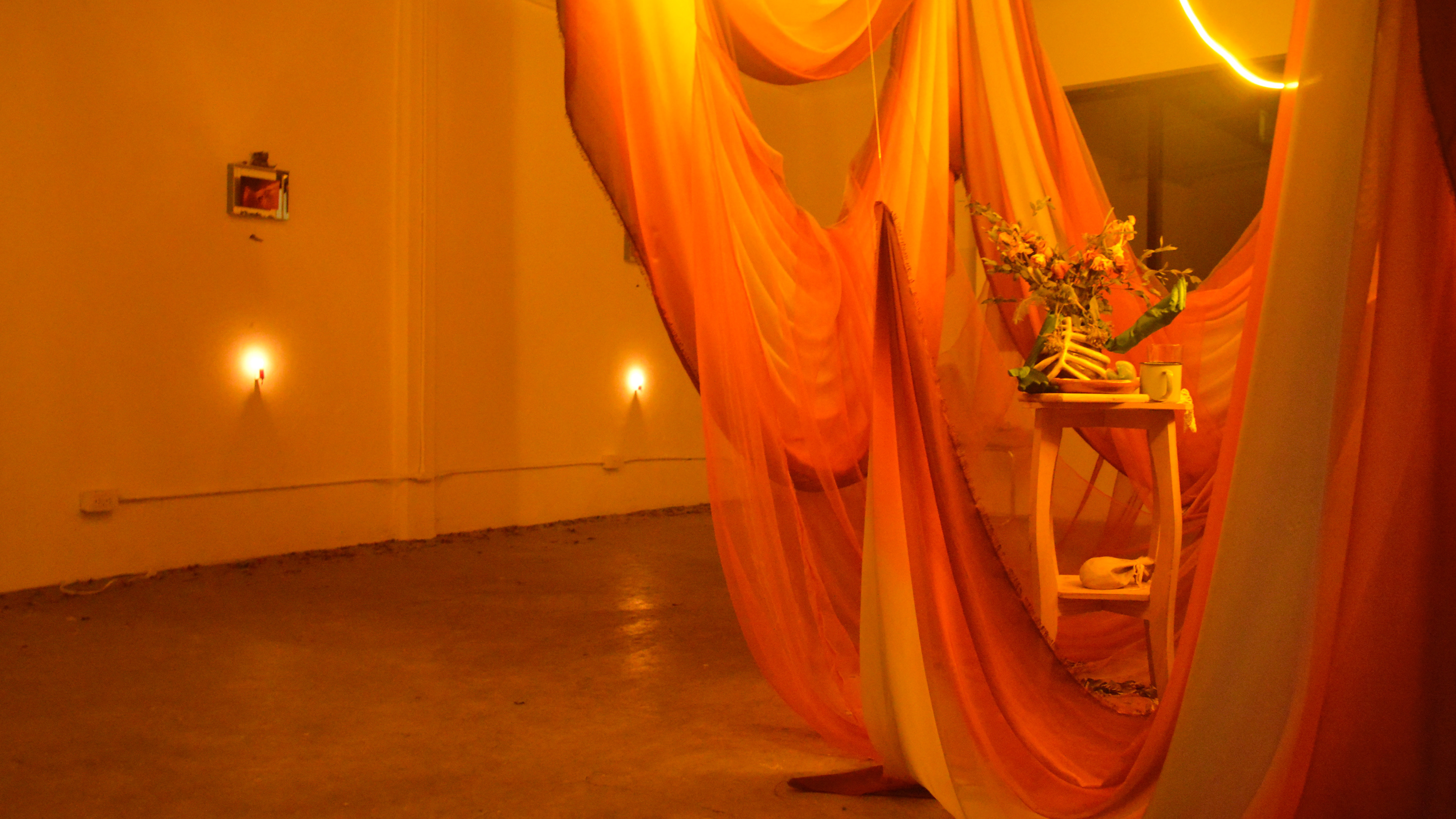
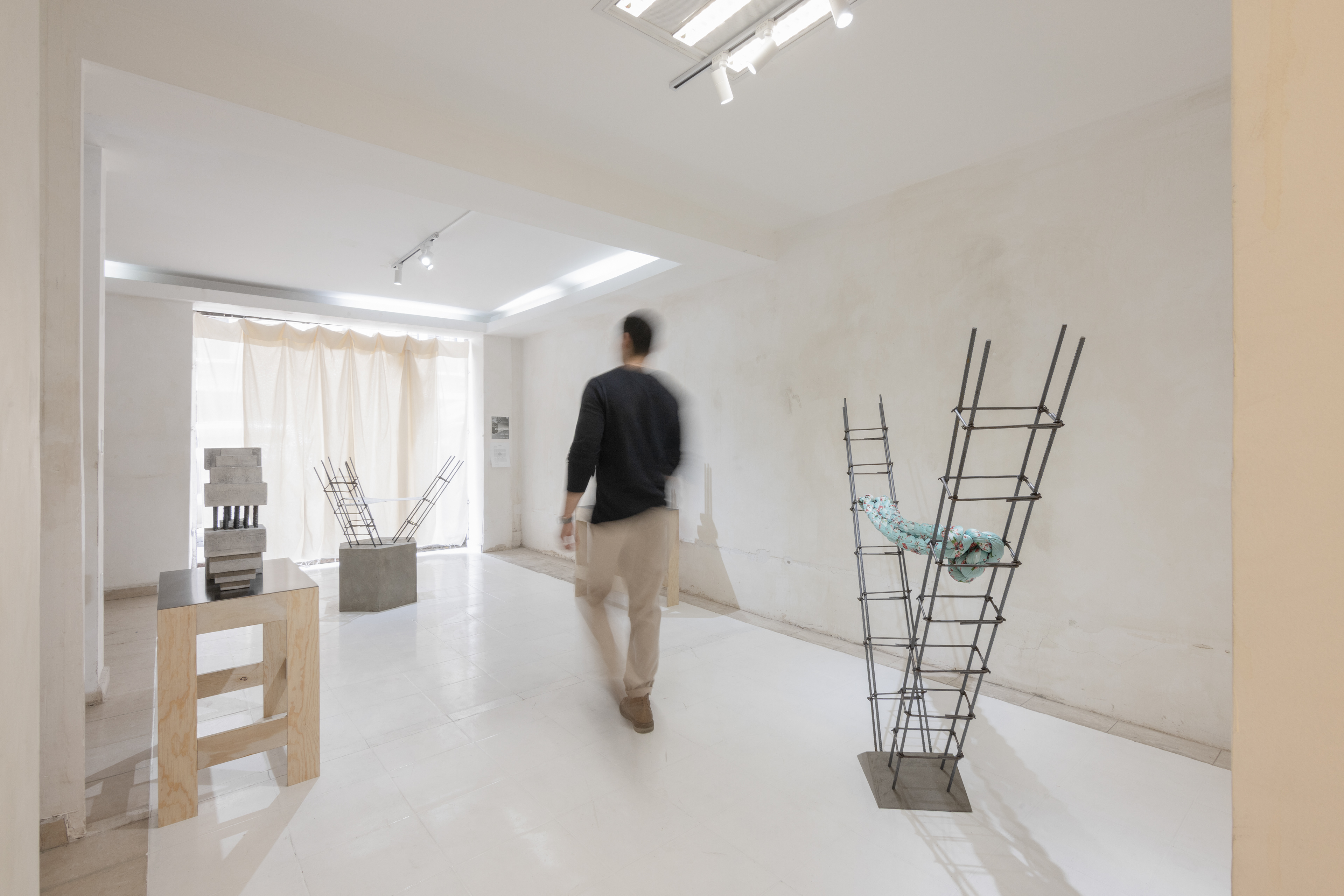
Functors, de Siavash Naderi, acerca este concepto a la materia. Cemento, acero, encaje y textil trenzado se presentan como materiales familiares. Sin embargo, las obras alteran las operaciones mediante las cuales esos materiales se sostienen, se atan, se suspenden y se orientan entre sí. En una obra, un textil floral recoge tramos de varilla en una curva catenaria suspendida. En otra, el encaje se vuelve el plano conectivo a través del cual el acero y el cemento alcanzan un equilibrio triádico. En las formas piramidales escalonadas, el apilamiento, la inversión y el espaciado reformulan la relación entre peso y soporte como un problema de secuencia y orientación.
La obra de Naderi perturba la gramática supuesta de la materialidad. La cuestión no es solo dónde se supone que deben ir las cosas, sino cómo se asignan sus funciones: qué cuenta como soporte y qué cuenta como ornamento. Al cambiar el orden de las operaciones en el plano material, las esculturas hacen visibles las convenciones que rodean a la forma sin reducirlas a la arbitrariedad, el nihilismo o la futilidad. En cambio, las obras se sostienen mediante una redistribución de roles: el ornamento se vuelve estructural, la fragilidad se vuelve conectiva y el refuerzo queda expuesto. De este modo, Functors ofrece una meditación sobre cómo las relaciones entre materiales dan lugar a la forma, y cómo la estabilidad persiste incluso cuando esas relaciones se redibujan.
Siavash Naderi

Curated by: Lesdavag
Text by: Isabel Farías
FUNCTORS
The term "functor" names a relational passage. In category theory, a functor maps structured systems while preserving their overarching coherence. In linguistics, it refers to a word with little independent meaning, such as an article or preposition, whose force nevertheless lies in the grammatical connections it establishes. In both senses, a functor harbors meaning not as a self-contained entity, but in its capacity to connect and relate things to one another. As a connective tissue, it allows separate elements to become meaningful by establishing the terms of their relationality.
Siavash Naderi's Functors enacts this in matter. Cement, steel, lace, and braided textile appear as familiar materials, yet the works alter the operations through which those materials support, bind, suspend, and orient each other. In one work, a floral textile gathers lengths of rebar into a suspended catenary curve. In another, lace becomes the connective plane through which steel and cement reach a triadic balance. In the stepped pyramidal forms, stacking, inversion, and spacing recast the relationship between weight and support into a problem of sequence and orientation.
Naderi's work unsettles the assumed grammar of materiality. The question is not only where things are supposed to go, but how their functions are assigned: what counts as support and what counts as ornament. By changing the order of operations at the material level, the sculptures make visible the conventions that surround form without reducing them to arbitrariness, nihilism, or futility. Instead the works hold together through redistributed roles: ornament becomes structural, fragility becomes connective, reinforcement becomes exposed. Functors offers a meditation on how relations between materials give rise to form, and how stability persists even as those relations are redrawn.
Back to Top